
Does your bedroom feel more like a storage space than a sanctuary? It can be hard to truly rest when you’re surrounded by clutter and chaos. You deserve a room that calms your mind the moment you walk in, a place where the stress of the day simply melts away.
Creating a peaceful retreat is easier than you think. A Japanese inspired bedroom focuses on simplicity, nature, and balance to create an atmosphere of pure tranquility. This approach helps you clear out the noise, both physically and mentally, so you can finally find your zen.
1. Embrace a Low-Profile Platform Bed
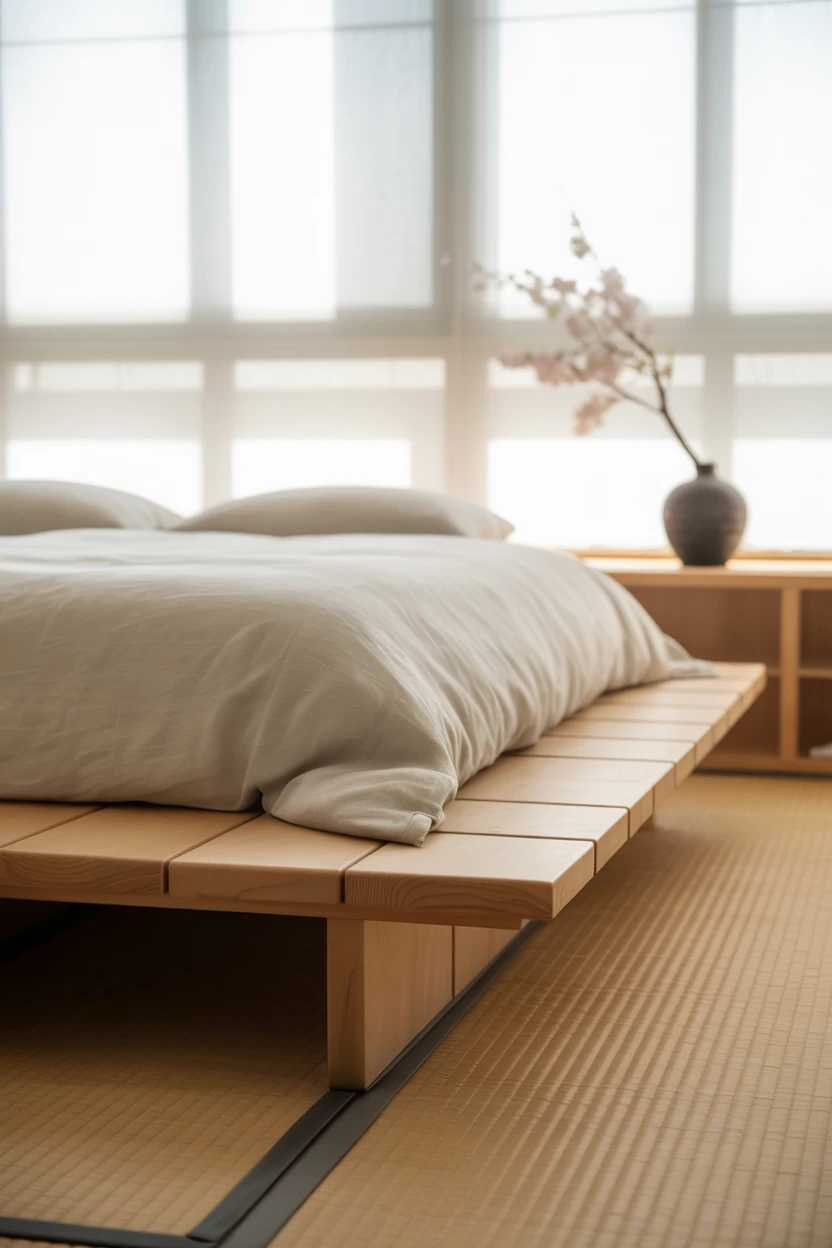
The foundation of a Japanese inspired bedroom is often a low-profile bed. This style keeps you closer to the ground, which promotes a sense of stability and calm. It immediately sets a minimalist and uncluttered tone for the entire room.
Choose a simple platform frame made from natural wood like oak, ash, or pine. The clean lines and lack of a bulky headboard or footboard create visual space. This makes the room feel larger and more open, which is essential for a peaceful atmosphere.
Pair the frame with a simple futon-style mattress and natural bedding. Think un-dyed linen or soft organic cotton in neutral colors like white, beige, or soft grey. The simplicity of this setup is key to achieving that serene, zen feeling in your personal sanctuary.
2. Install Shoji Screen Dividers
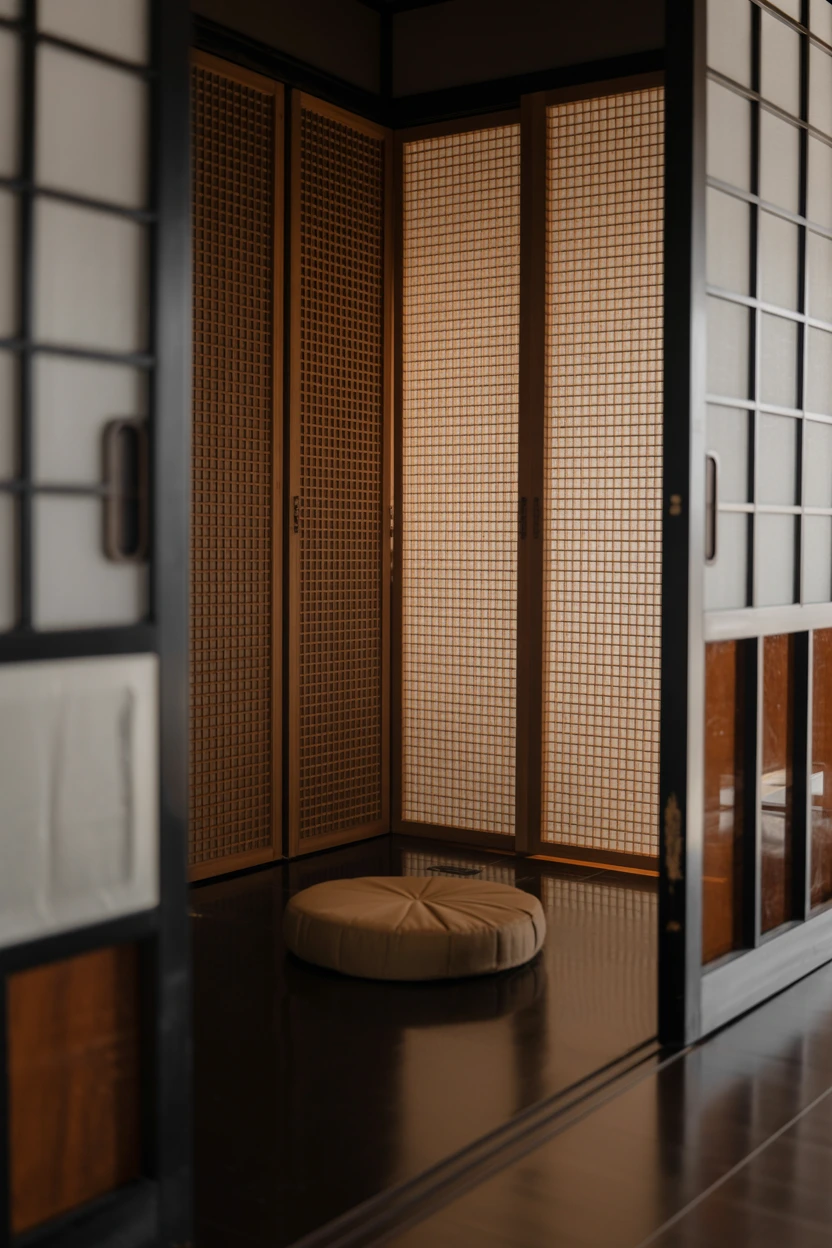
Shoji screens are a classic element in Japanese design. These sliding panels are made from a wooden lattice filled with translucent washi paper. They are perfect for dividing a space without completely blocking light.
Use a shoji screen to create a subtle separation between your sleeping area and a small dressing room or reading nook. The paper diffuses light beautifully, creating a soft, ethereal glow that adds to the room’s tranquil mood. This gentle light is much more calming than harsh, direct lighting.
The clean lines and geometric pattern of the lattice add a touch of architectural interest without overwhelming the space. By incorporating this feature, you add both function and authentic beauty to your Japanese inspired bedroom, making it feel thoughtfully designed and serene.
3. Use Tatami Mats for Flooring
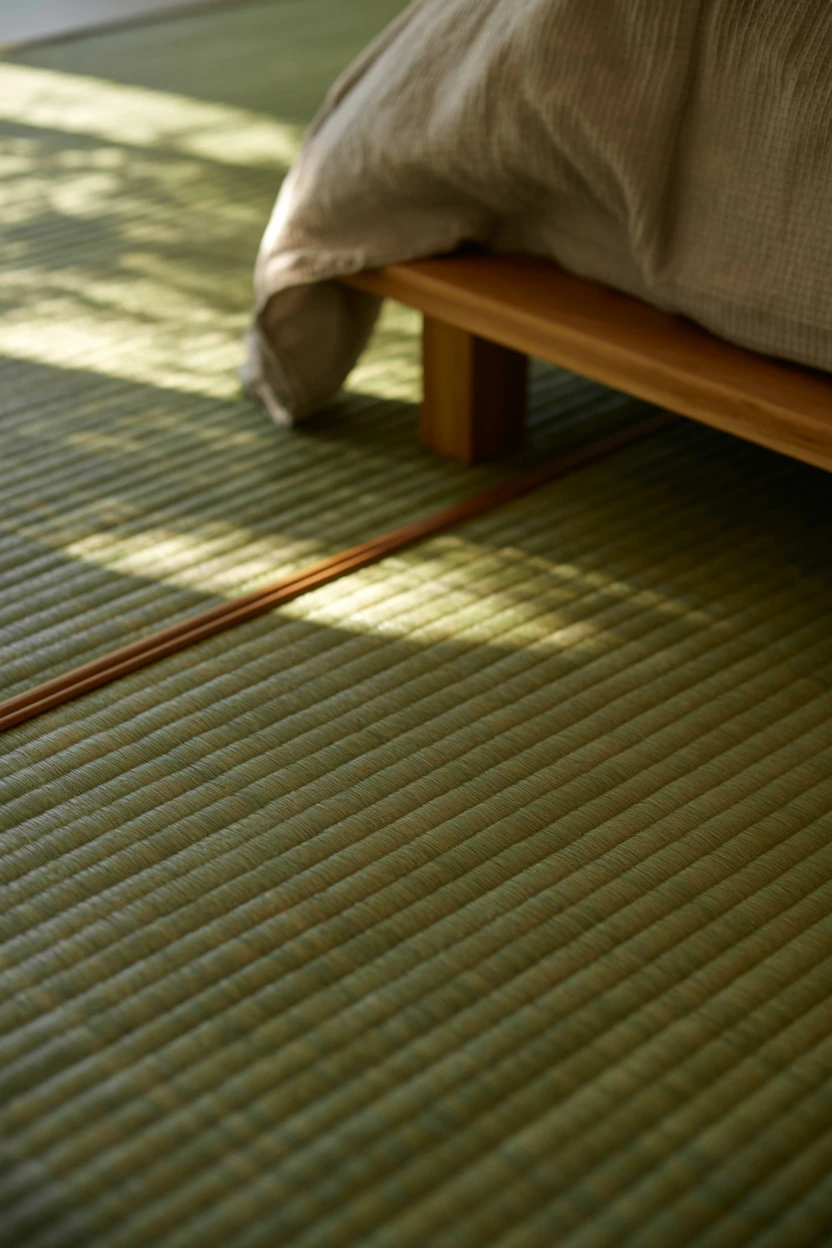
For a truly authentic feel, consider incorporating tatami mats. These traditional Japanese floor coverings are made from woven rush grass. They provide a firm yet comfortable surface that is pleasant to walk on barefoot.
You don’t need to cover the entire floor. You can create a raised platform for your bed using a tatami mat base, or simply use a large mat as an area rug. The natural, slightly grassy scent of the mats adds a subtle, organic element to the room’s atmosphere.
The clean, grid-like pattern of tatami mats brings a sense of order and harmony to the space. This simple flooring choice is central to the design of a traditional Japanese inspired bedroom, connecting the room directly to natural materials and textures.
Where simplicity is not an absence of things, but the presence of quiet harmony.
4. Incorporate Natural Wood Elements
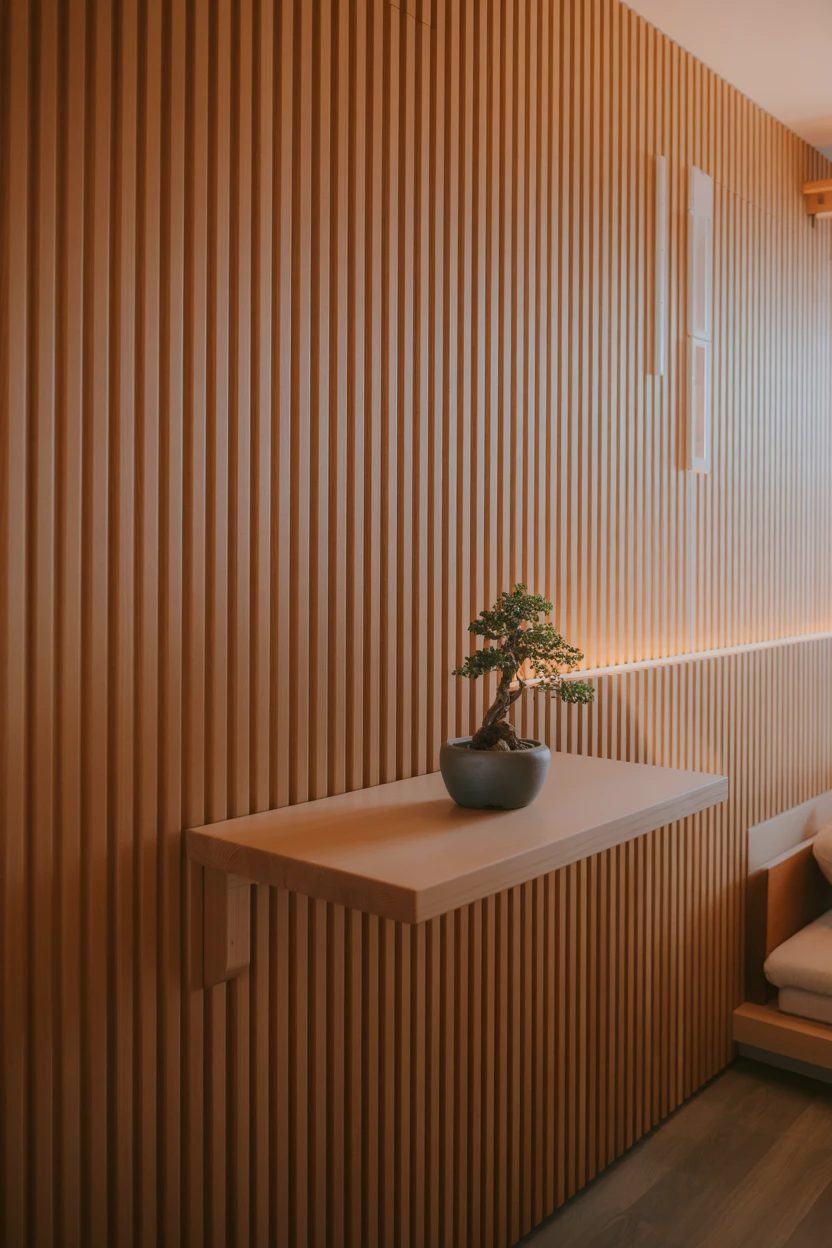
Wood is a fundamental material in Japanese interior design. It brings warmth, texture, and a direct connection to the natural world. Look for ways to feature wood beyond just the bed frame.
Consider a feature wall with vertical wood slats. This adds architectural interest and draws the eye upward, making the room feel taller. Light-colored woods like maple, cedar, or hinoki cypress keep the space feeling bright and airy, which is perfect for a calm retreat.
You can also introduce wood through smaller details. Think about a simple wooden bench at the foot of the bed, a set of floating shelves, or even the window frames. These touches help create a cohesive and organic Japanese inspired bedroom that feels grounded and peaceful.
5. Choose a Muted, Earthy Color Palette
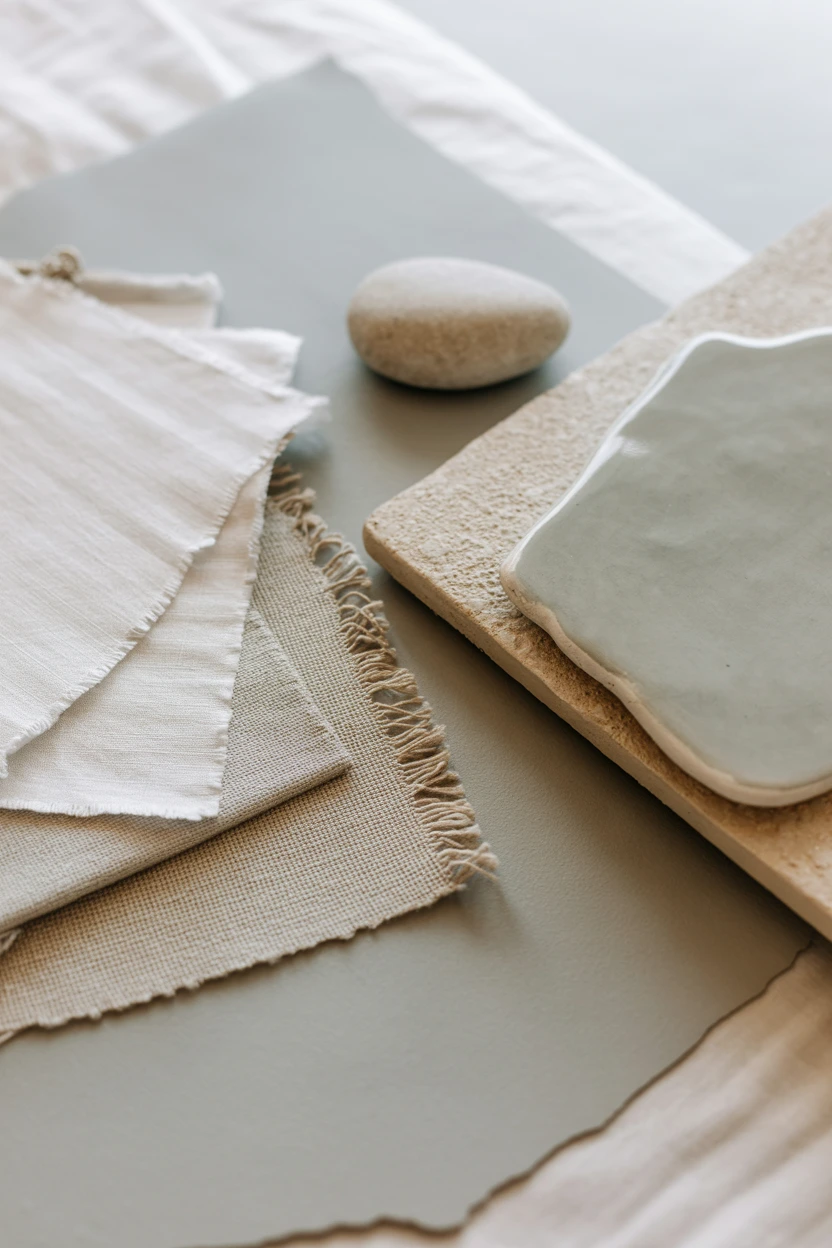
The color scheme of a zen bedroom should be soft and soothing. It draws inspiration from colors found in nature. This creates a space that feels calm and allows the mind to rest without distraction.
Start with a base of neutral colors like white, cream, beige, or soft grey for the walls. Then, layer in earthy tones through your textiles and decor. Think about shades of stone, muted greens like sage or moss, and warm, earthy browns.
Avoid bright, jarring colors that can feel overstimulating. The goal is to create a harmonious blend of tones that flow seamlessly into one another. This muted color palette is essential for building a truly serene Japanese inspired bedroom where you can fully unwind.
6. Add an Ikebana Flower Arrangement
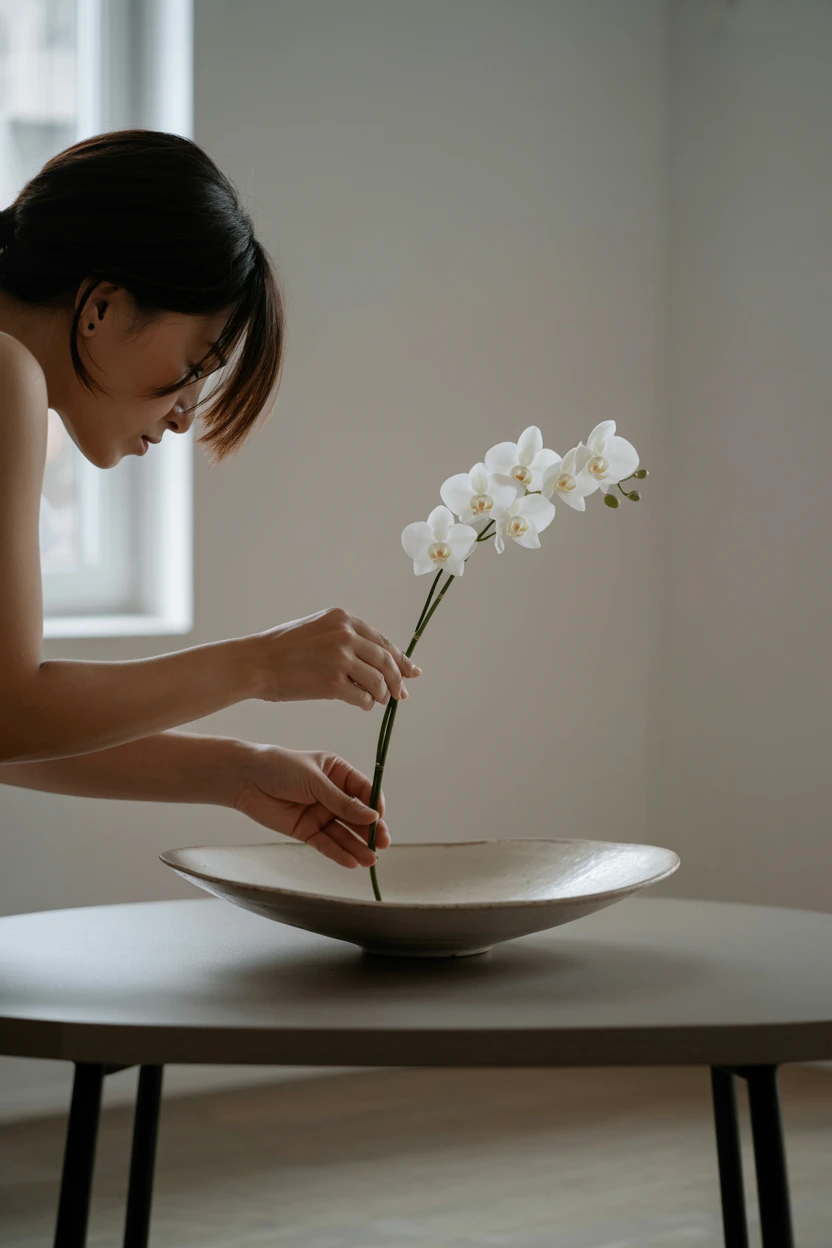
Ikebana is the Japanese art of flower arranging. Unlike dense Western bouquets, it emphasizes shape, line, and form. A simple Ikebana arrangement can become a beautiful focal point in your room.
You don’t need a lot of flowers. The practice is about appreciating the beauty of a single stem, a gracefully curved branch, or a few carefully chosen leaves. This focus on minimalism reflects the core principles of a zen space.
Place your arrangement on a dresser or a small side table in a simple ceramic or glass vase. An Ikebana display brings a touch of living nature indoors and encourages a moment of quiet appreciation. It is a perfect detail for a Japanese inspired bedroom that values mindfulness and beauty.
A room becomes a sanctuary when every object has a purpose or brings you peace.
7. Decorate with a Bonsai Tree
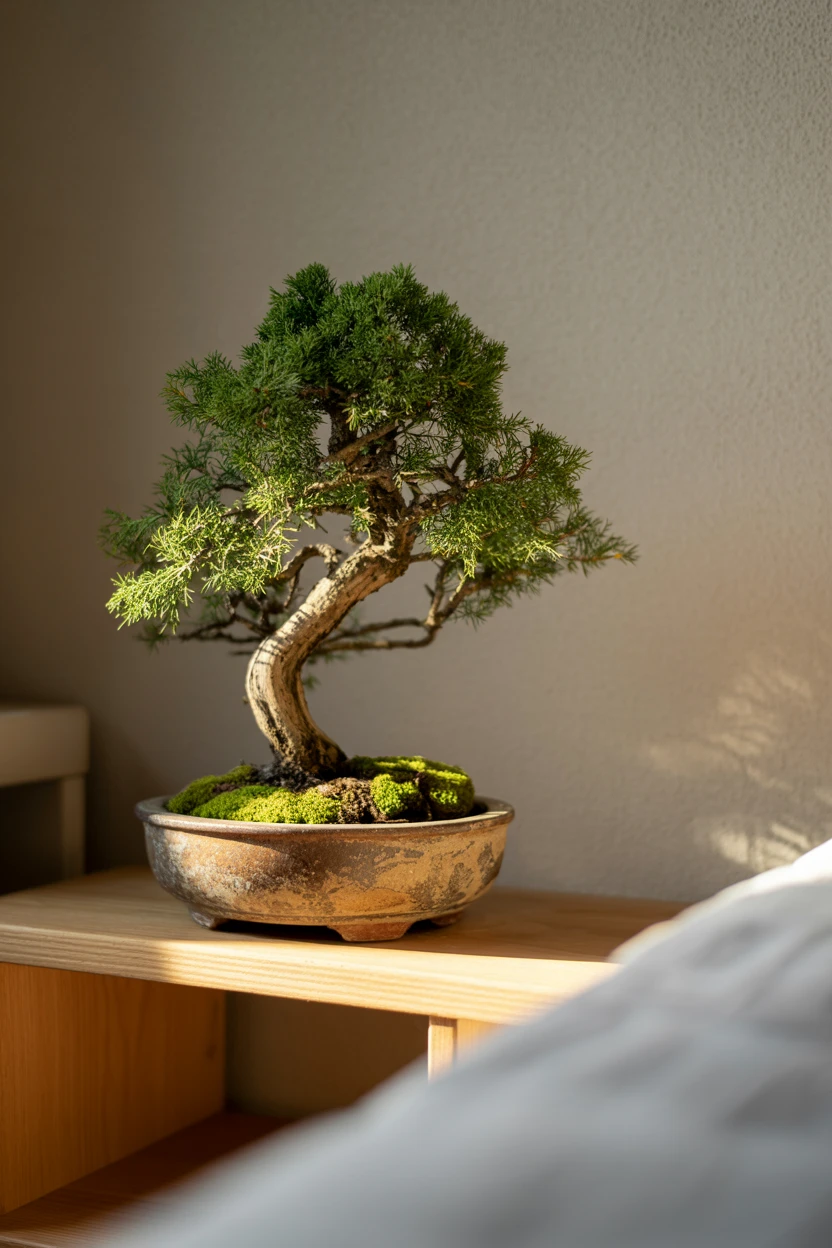
A bonsai tree is a living work of art. It represents the harmony between nature and humanity. Placing a small bonsai in your bedroom is a powerful way to bring a sense of calm and patience into the space.
Choose a species that is easy to care for indoors, like a Ficus or a Jade bonsai. The act of tending to the tree itself can be a meditative practice. It encourages you to slow down and connect with the natural world.
Position your bonsai where it can receive adequate light, perhaps on a windowsill or a dedicated plant stand. This small but significant element will serve as a daily reminder of balance and tranquility in your Japanese inspired bedroom.
8. Use Soft Lighting from Paper Lanterns
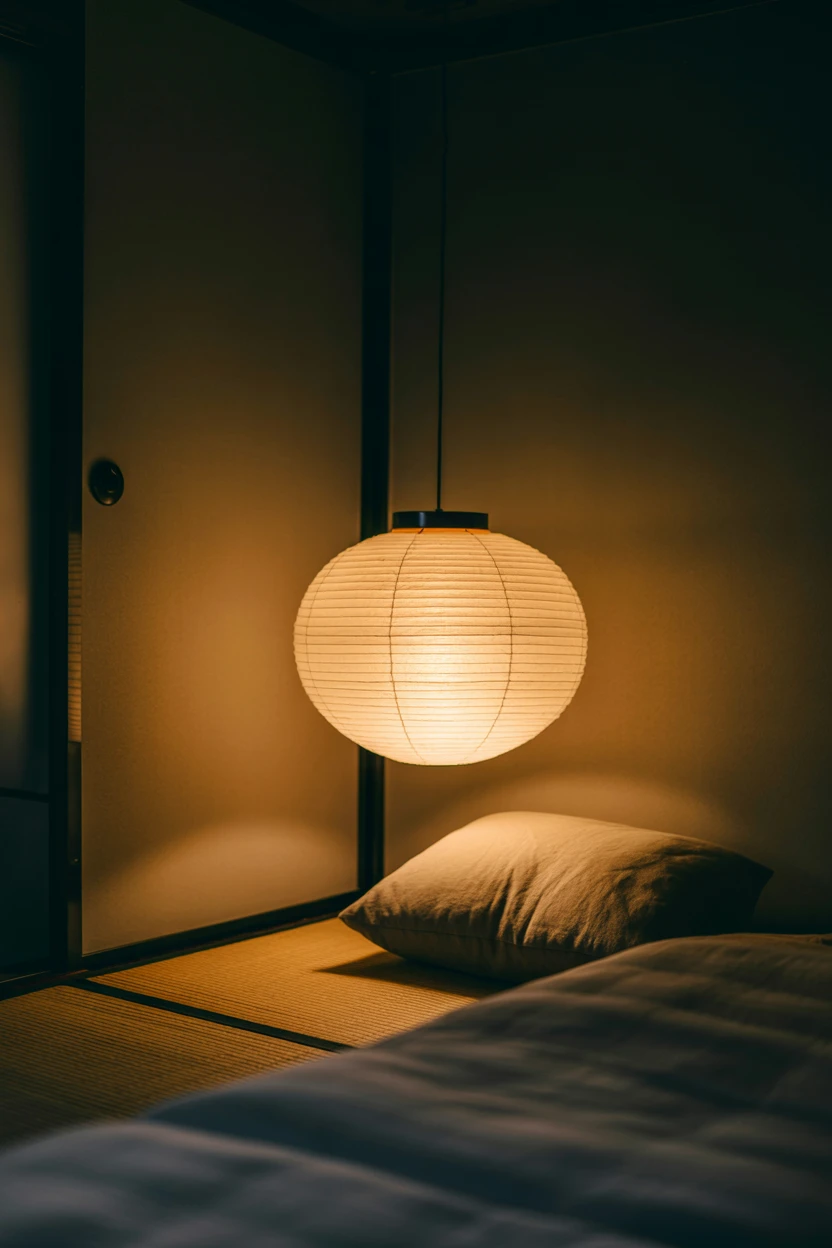
Lighting plays a crucial role in creating a zen atmosphere. Harsh, overhead lights can feel clinical and stressful. Instead, opt for soft, diffused light sources like traditional Japanese paper lanterns.
Famous designs, like the Akari light sculptures by Isamu Noguchi, are perfect for this. Made from washi paper and bamboo ribbing, they spread a warm, gentle glow throughout the room. You can use a hanging pendant lantern as a central fixture or place a smaller floor lamp in a corner.
The goal is to create pools of soft, warm light rather than illuminating the entire room brightly. This type of lighting is ideal for winding down in the evening. It makes your Japanese inspired bedroom feel like a cozy and protected haven.
9. Create a Small Indoor Zen Garden
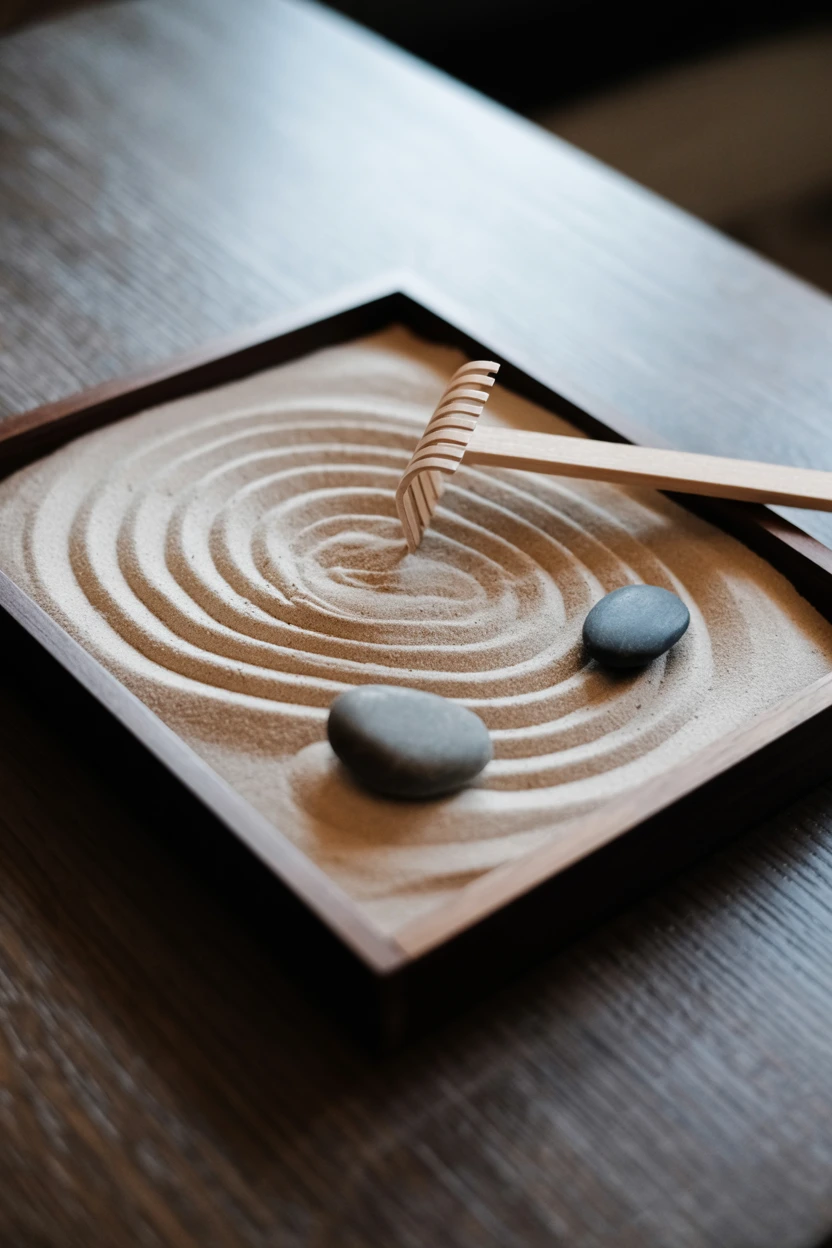
You don’t need a backyard to enjoy the calming effects of a zen garden. A miniature version can be a wonderful addition to your bedroom. This small feature provides a focus for mindfulness and meditation.
A desktop zen garden typically consists of a small tray filled with sand, a few stones, and a tiny rake. The simple act of raking patterns in the sand can be incredibly soothing. It helps to quiet the mind before sleep or upon waking.
Place your mini garden on a dresser or a bedside table. It serves as a visual reminder to pause and find a moment of stillness. This small detail can have a big impact on the peaceful energy of your Japanese inspired bedroom.
The space around an object is just as important as the object itself.
10. Focus on Uncluttered, Open Space
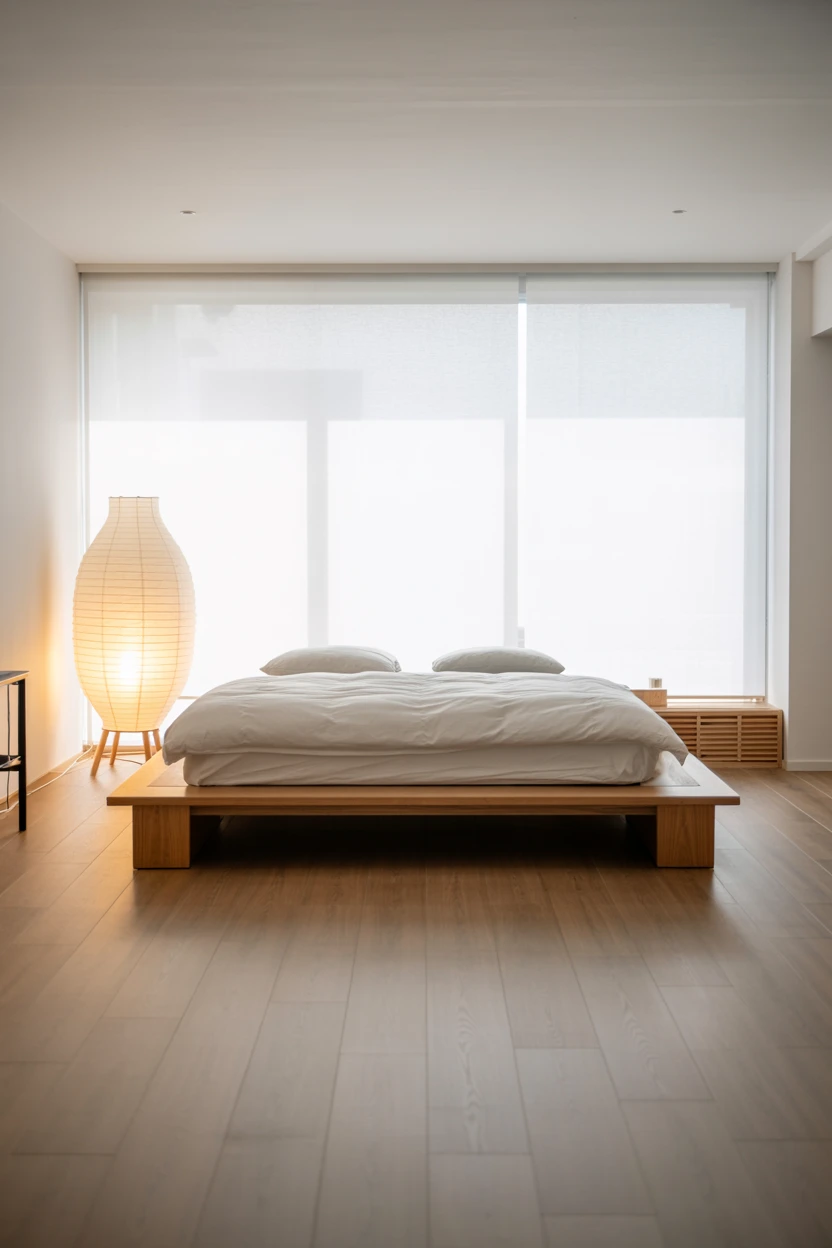
A key principle of Japanese design is the concept of ‘Ma’, which relates to negative space. This means the empty areas of your room are just as important as the areas filled with furniture. An uncluttered room allows for an uncluttered mind.
Resist the urge to fill every corner and cover every surface. Be intentional about every single item you keep in your bedroom. Ask yourself if each object serves a purpose or brings you joy. If not, it might be contributing to visual clutter.
By focusing on open space, you create a room that feels calm, breathable, and expansive. This approach is fundamental to designing a Japanese inspired bedroom that truly functions as a peaceful retreat from the outside world.
11. Maximize Natural Light
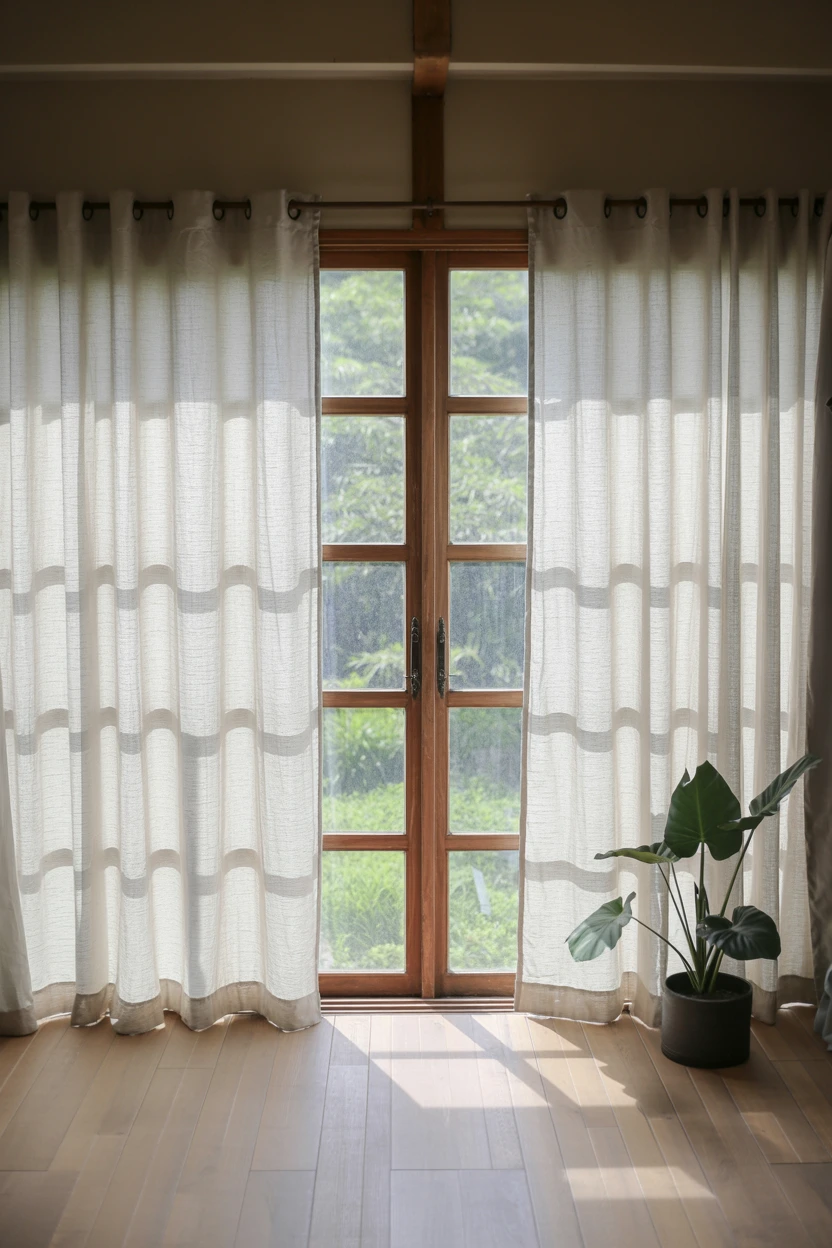
Connecting with the cycles of the day is a core part of a zen lifestyle. Maximizing the natural light in your bedroom helps you feel more in tune with the world outside. It also makes the space feel more open and alive.
If you have large windows, keep the treatments simple. Translucent curtains made of linen or simple bamboo blinds allow light to filter through while still providing privacy. Avoid heavy, dark drapes that block out the sun and make the room feel heavy.
Position your furniture to take advantage of the light. Perhaps place a small, comfortable chair in a sunny corner for reading. A bright, sunlit room is naturally uplifting and contributes greatly to the serene feeling of a Japanese inspired bedroom.
12. Implement Hidden Storage Solutions
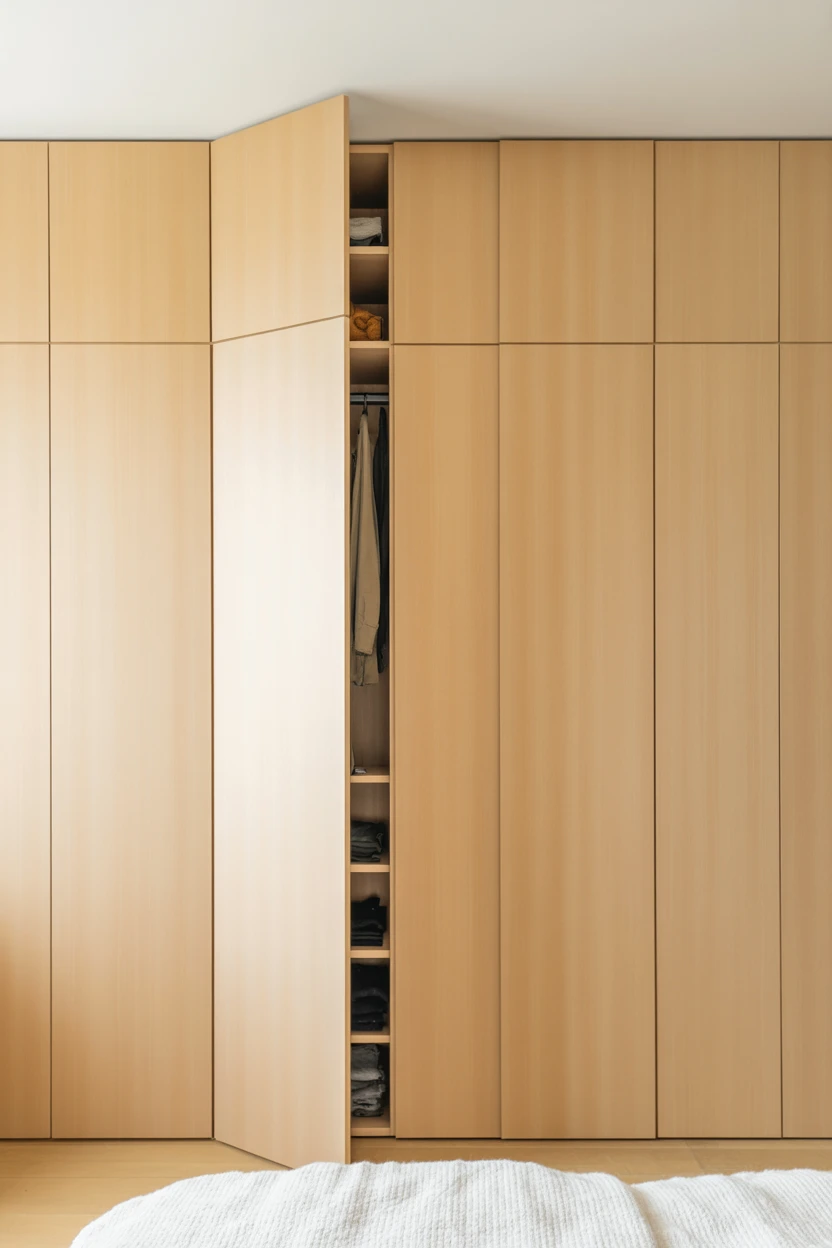
Visual clutter is the enemy of a peaceful space. To maintain a serene atmosphere, it’s essential to have smart storage solutions that keep everyday items out of sight. The goal is to make the room look effortlessly tidy.
Consider built-in closets with flat, seamless doors that blend into the wall. A platform bed with built-in drawers underneath is another excellent way to store extra bedding or seasonal clothing without taking up extra space. The key is to hide the storage itself.
By keeping clutter contained and out of view, you allow the clean lines and simple beauty of your Japanese inspired bedroom to shine. This creates a calm and orderly environment where your mind can truly relax without distraction.
Let the quiet glow of a paper lantern soften the edges of a long day.
13. Embrace Wabi-Sabi Imperfection

Wabi-sabi is a Japanese worldview centered on accepting transience and imperfection. In design, this translates to finding beauty in objects that are aged, weathered, or handmade. It’s about authenticity over perfection.
Instead of a perfectly polished vase, choose one that is hand-thrown and shows the marks of the maker. A slightly worn wooden stool or a piece of faded linen fabric can add more character and soul to a room than something brand new and mass-produced.
Incorporating wabi-sabi elements into your Japanese inspired bedroom creates a space that feels more human, humble, and deeply calming. It reminds us that beauty can be found in the imperfect, which is a truly peaceful thought.
14. Use Organic and Natural Textiles

The materials you surround yourself with have a big impact on how a room feels. For a zen atmosphere, choose textiles made from natural fibers. These materials feel good against the skin and add subtle, organic texture.
Dress your bed in linen, organic cotton, or a blend of bamboo fibers. For warmth, add a simple wool or chunky knit cotton blanket. These materials are breathable and connect your space back to the natural world.
Look for textiles in their natural, un-dyed state or in muted, earthy colors. The subtle texture of a crinkled linen duvet or a soft wool throw adds a layer of comfort and visual warmth to your Japanese inspired bedroom, making it feel inviting and cozy.
15. Incorporate Bamboo Accents
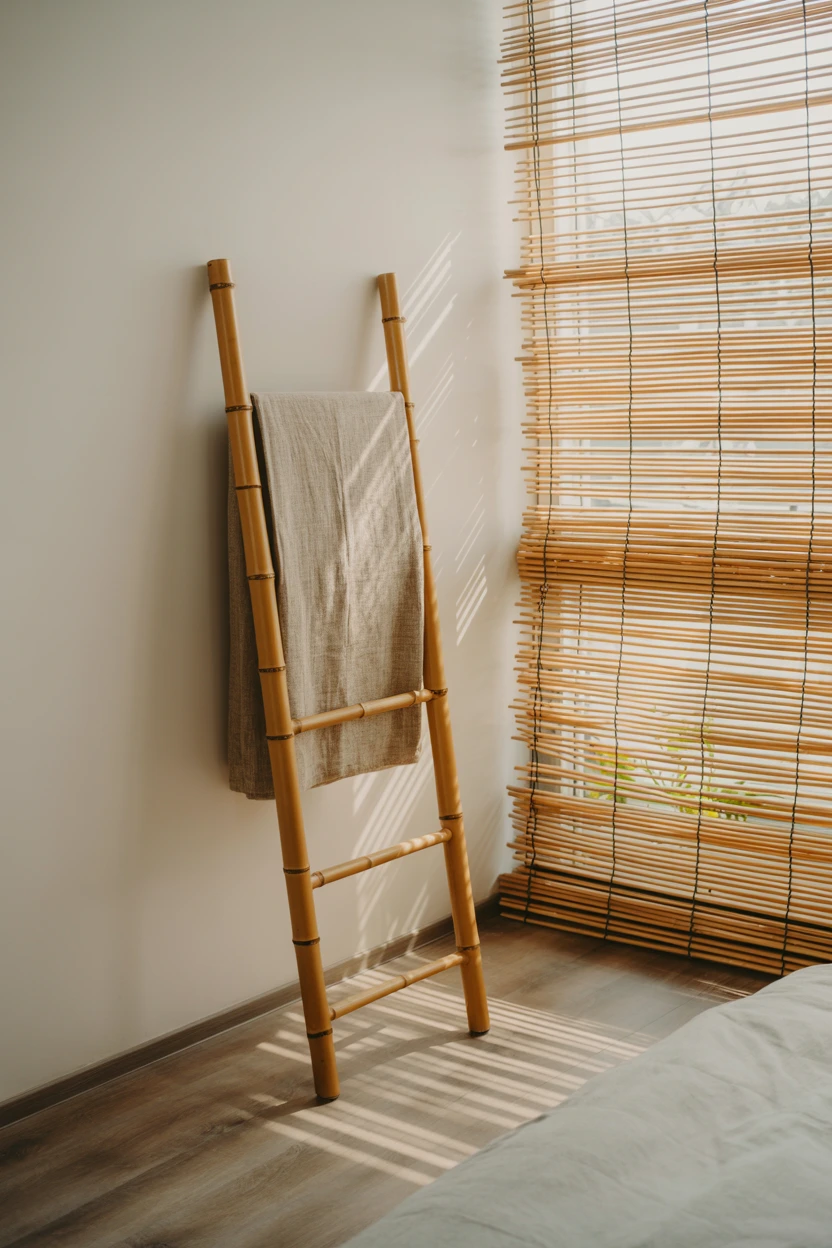
Bamboo is a sustainable and versatile material that is iconic in Japanese design. Its clean lines and natural color make it a perfect fit for a serene bedroom. It adds a touch of organic structure without feeling heavy.
One of the easiest ways to use bamboo is with window blinds. Bamboo roll-up shades provide privacy while still allowing soft, filtered light to enter the room. The way the light passes through the slats creates beautiful patterns.
You can also use bamboo in smaller decor items. A bamboo bath mat, a small decorative ladder for hanging blankets, or even a simple bamboo plant in a pot can all help to reinforce the natural, calming theme of your Japanese inspired bedroom.
The best decor is the kind that calms your spirit just by looking at it.
16. Opt for Sliding Doors (Fusuma)
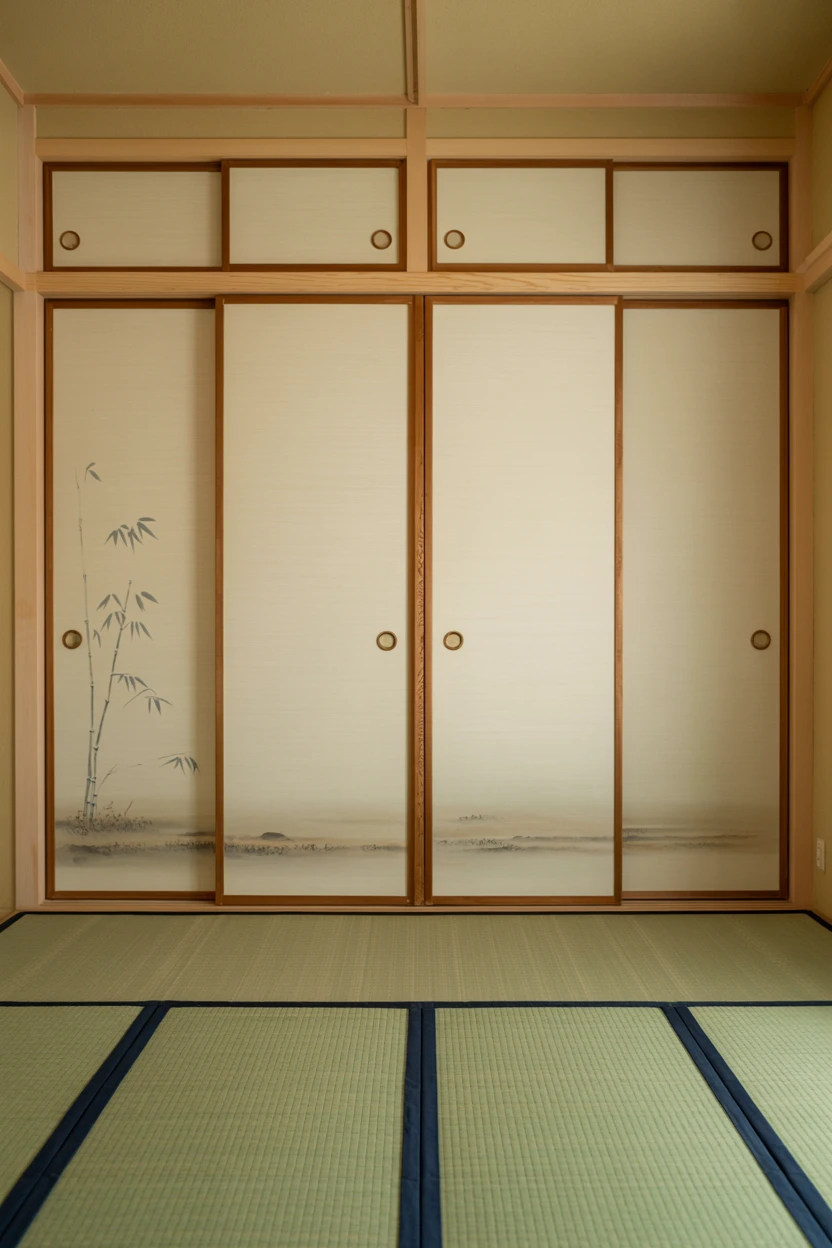
Traditional swinging doors take up valuable floor space and can interrupt the flow of a room. In Japanese homes, sliding doors, or fusuma, are often used for closets and entryways. They are both practical and beautiful.
Fusuma are opaque sliding panels that work like a moving wall. Unlike shoji screens, they are not translucent, making them ideal for closets. They glide smoothly on tracks, saving space and maintaining the room’s clean, open feel.
Modern interpretations can be simple, plain panels that blend with your wall color. Or, you can choose ones with subtle, nature-inspired artwork. Using sliding doors is a smart way to enhance the functionality and minimalist aesthetic of your Japanese inspired bedroom.
17. Add Low Seating with Floor Cushions
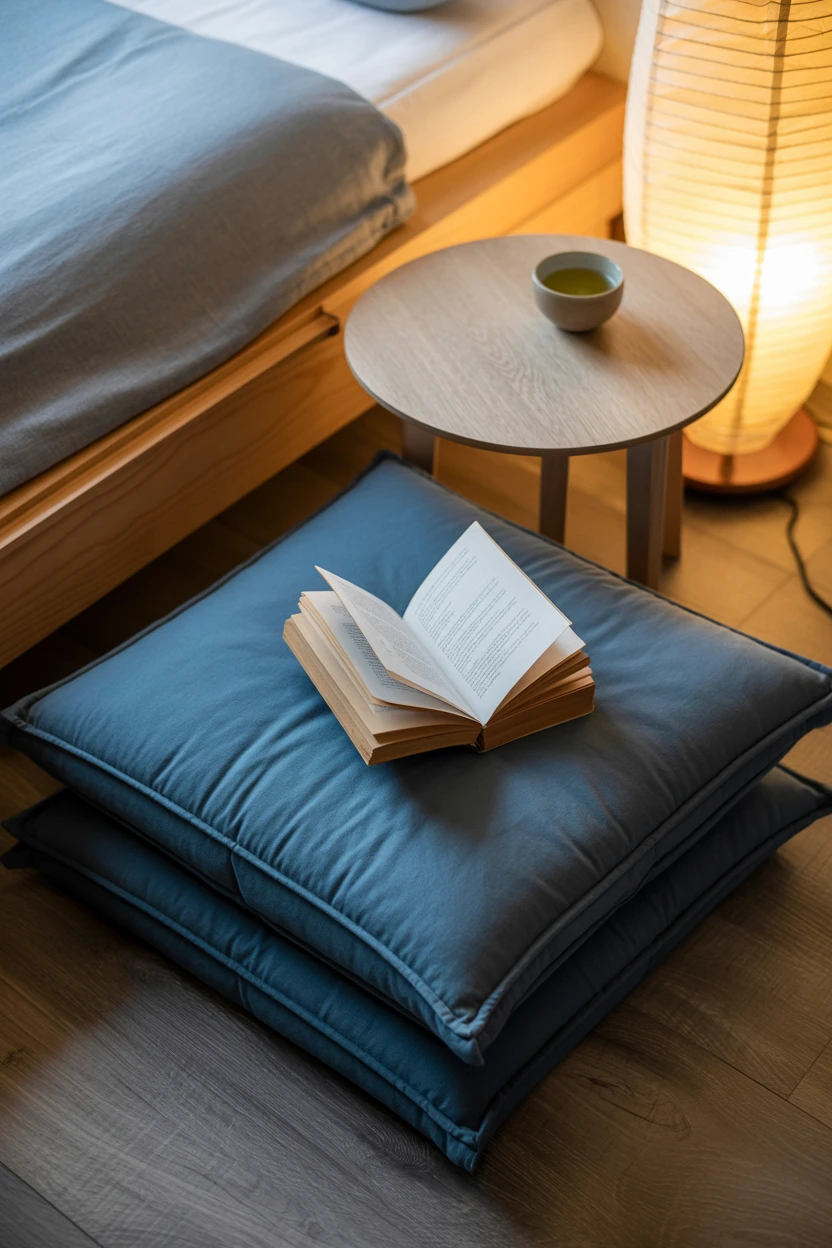
A connection to the floor is a recurring theme in Japanese interiors. Creating a small, low seating area with floor cushions, or zabuton, can create a wonderful spot for meditation, reading, or enjoying a cup of tea. It’s a simple way to foster a mindful atmosphere.
Choose cushions made from natural fabrics like cotton or linen in solid, muted colors. You can stack a couple for extra comfort. This type of seating encourages a more grounded posture and a slower, more deliberate way of being.
Place them in a quiet corner of your room, perhaps near a window or by a small, low table. This simple addition provides a dedicated space for quiet activities, making your Japanese inspired bedroom a true sanctuary for both body and mind.
18. Display Minimalist Nature Artwork
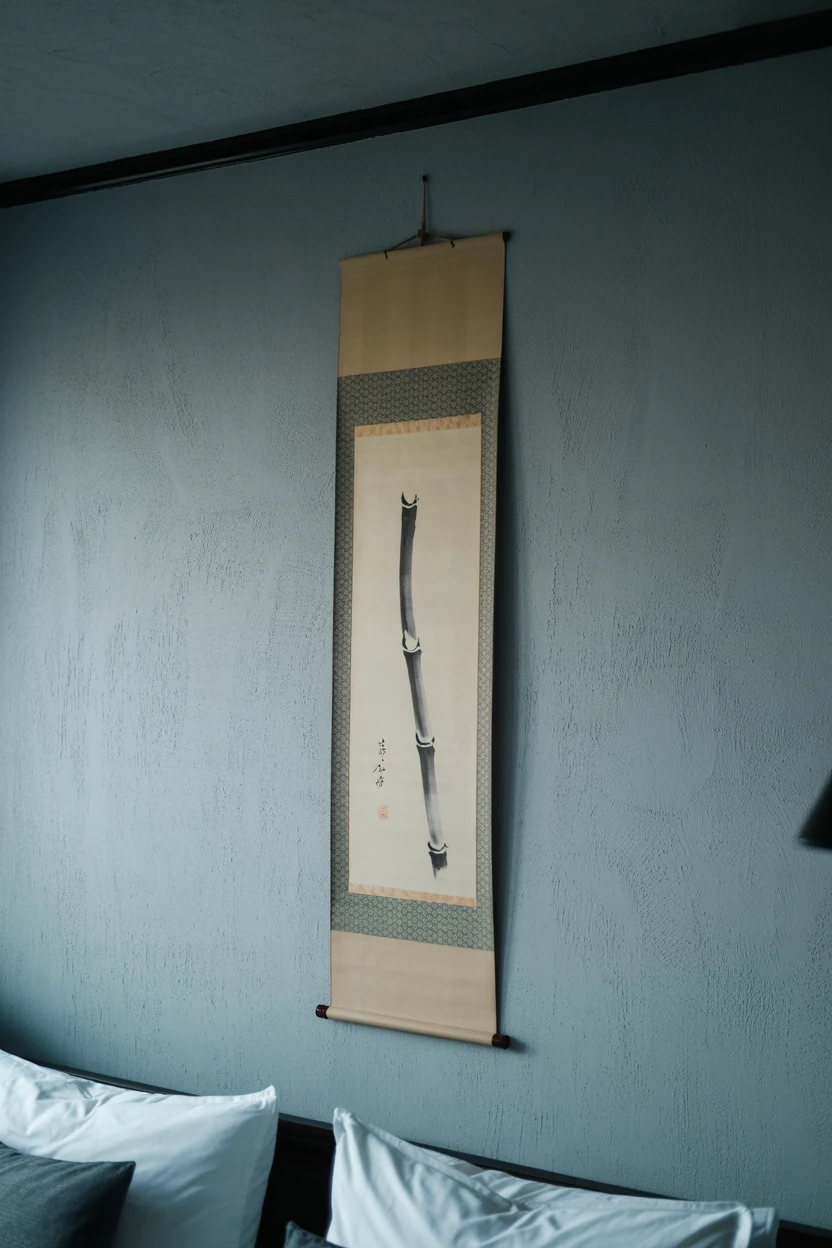
Art in a zen bedroom should be calming, not chaotic. Instead of a busy gallery wall, choose one or two simple pieces that evoke a sense of peace. Artwork inspired by nature is a perfect choice.
Look for traditional Japanese art forms like sumi-e (ink wash painting) or woodblock prints. These often feature simple, elegant depictions of landscapes, plants, or animals. The emphasis on empty space within the artwork mirrors the minimalist design of the room itself.
A single hanging scroll or a framed print with a simple wood frame is all you need. Place it where it can be appreciated without overwhelming the space. This thoughtful touch adds a layer of culture and tranquility to your Japanese inspired bedroom.
True serenity is found in the gentle balance between light, shadow, and space.
19. Achieve Asymmetrical Balance
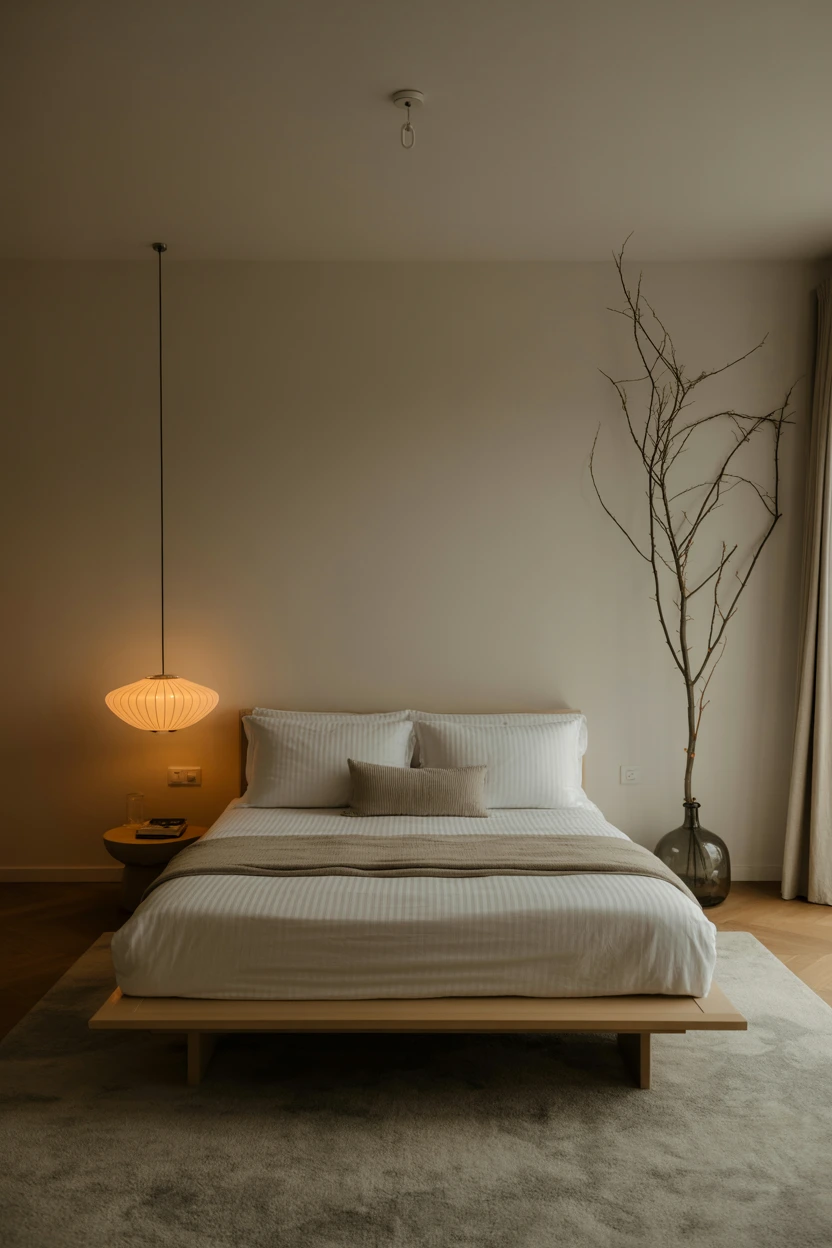
In Western design, we often gravitate towards perfect symmetry, like two identical bedside tables with two identical lamps. Japanese aesthetics, however, often favor asymmetrical balance, which feels more natural and dynamic.
Try placing your bed slightly off-center on its main wall. Instead of matching nightstands, you could have a small, low table on one side and a simple floor lamp on the other. The goal is to create a visual balance in terms of weight and scale, not perfect mirroring.
This approach makes a room feel less rigid and more organic. Arranging your Japanese inspired bedroom with asymmetrical balance creates a subtle, sophisticated harmony that is visually interesting yet deeply calming to the eye.
20. Introduce a Subtle Water Element
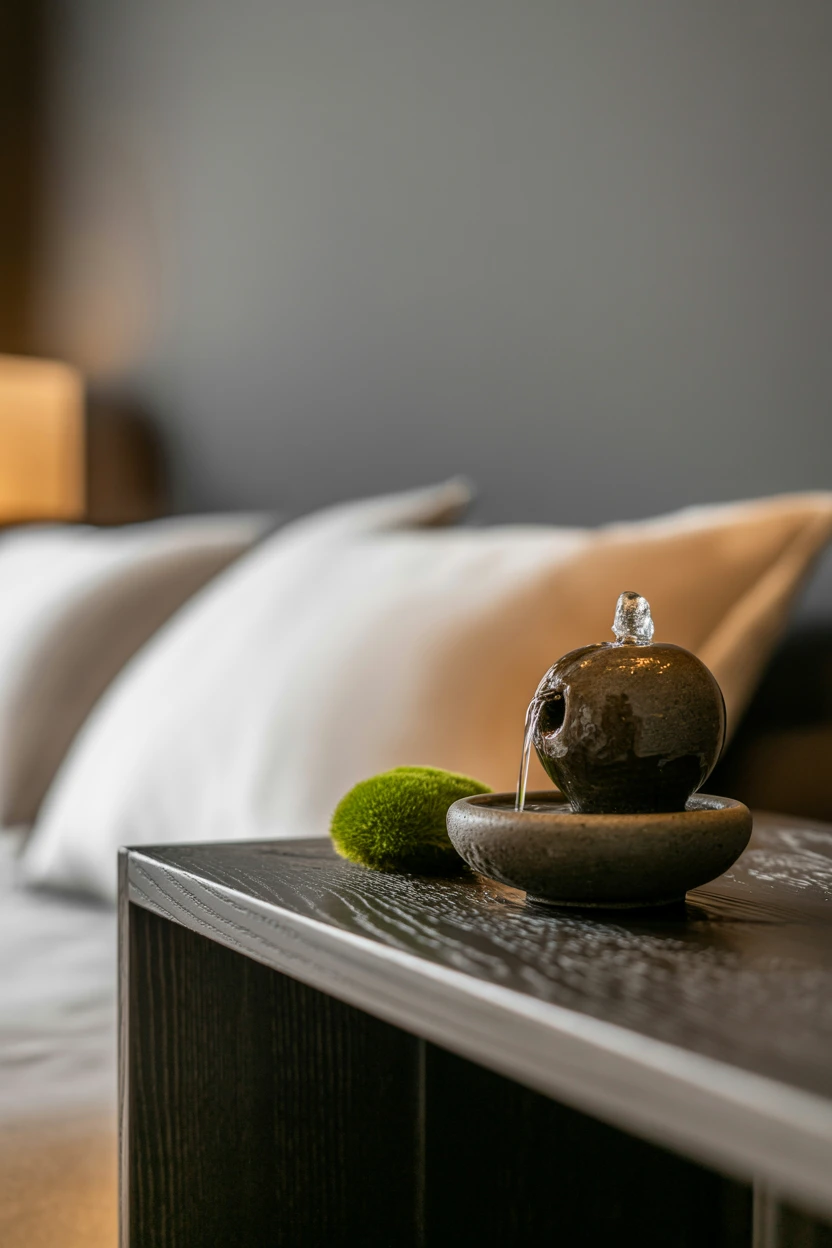
The gentle sound of flowing water is incredibly soothing. Bringing a small water element into your bedroom can enhance the tranquil atmosphere and help mask other unwanted noises. It’s a wonderful sensory addition to your space.
Look for a small, quiet tabletop fountain with a simple design. Materials like stone, ceramic, or bamboo will fit in perfectly with the room’s aesthetic. The key is for the sound to be a gentle trickle or burble, not a loud gush.
Place it on a dresser or a shelf where you can enjoy its calming presence. This simple feature can transform your Japanese inspired bedroom into a multi-sensory retreat, promoting relaxation and peaceful sleep.
21. Use a Tokonoma-Inspired Alcove
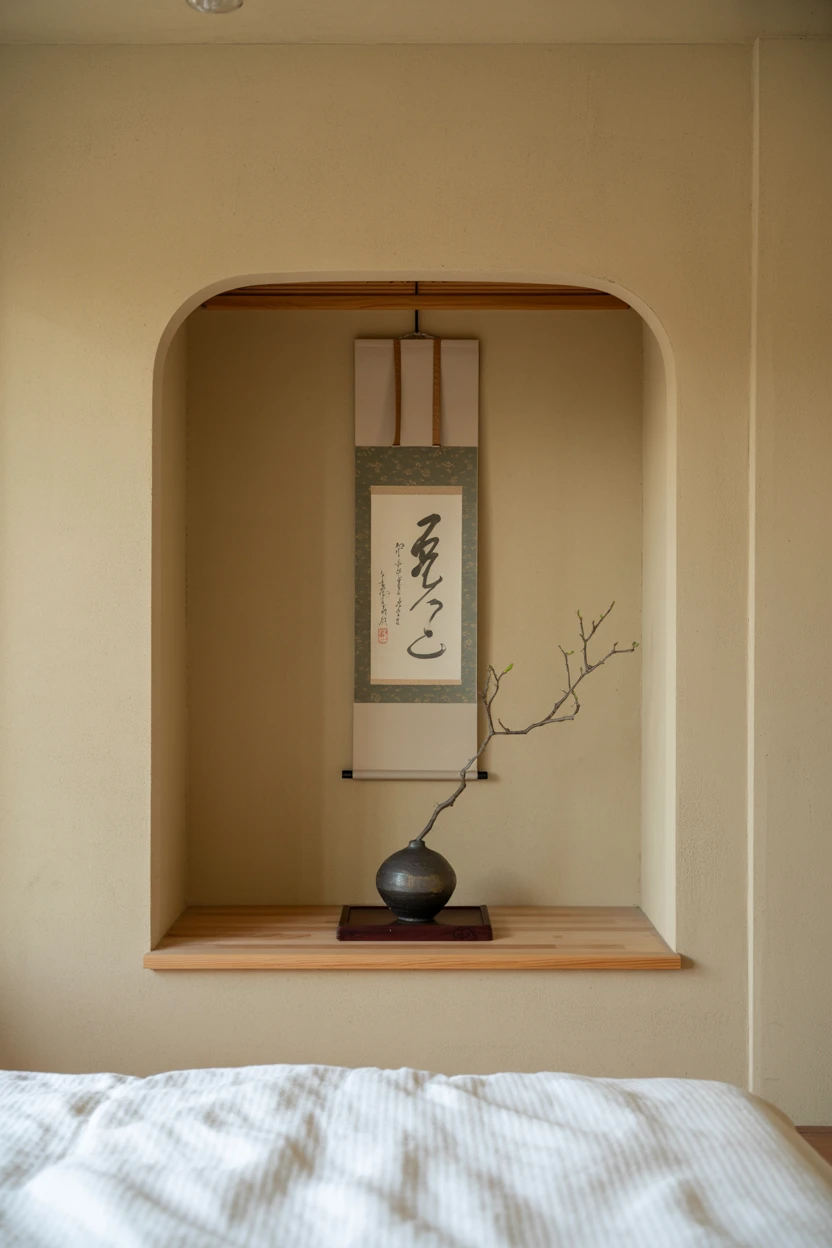
A tokonoma is a recessed alcove in a traditional Japanese room used for displaying art. You can create a modern version of this concept to create a dedicated, respectful space for a few treasured items. It becomes the spiritual center of the room.
If you don’t have a natural alcove, you can define a space with a floating shelf or a simple, low console table against a wall. The key is to keep the display extremely simple. This is not a place for a collection of knick-knacks.
Choose one piece of art, a single flower arrangement, or a beautiful ceramic object to display. By giving this single item its own special place, you elevate its importance and create a powerful focal point in your Japanese inspired bedroom.
Let your bedroom be a quiet conversation between natural materials and gentle light.
22. Keep Bedside Surfaces Clear
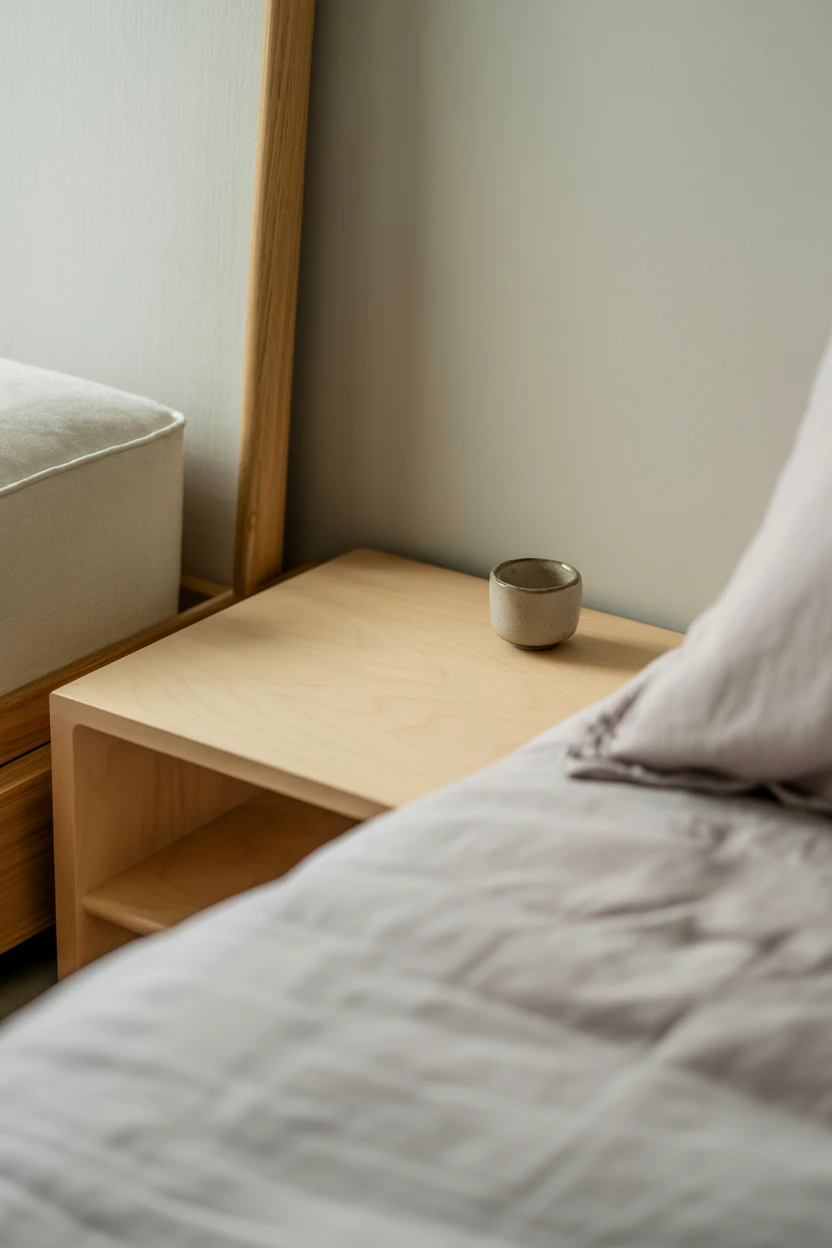
Your bedside table is the last thing you see at night and the first thing you see in the morning. A cluttered nightstand can create a feeling of stress and disorganization. Keeping this surface clear is a small but powerful habit.
Aim to have only the absolute essentials on your table. This might be a small lamp, a single book, and perhaps a glass of water. Avoid piles of mail, charging cables, and other miscellaneous items that can accumulate.
Choose a nightstand with a drawer to keep other necessities like hand cream or reading glasses out of sight. A clear surface contributes to a clear mind, making it easier to drift off to sleep in your peaceful Japanese inspired bedroom.
Conclusion
Creating a space that truly helps you relax is not about following strict rules. It’s about choosing elements that bring you a sense of peace and harmony. These ideas are simply starting points to help you craft a bedroom that feels like a personal sanctuary.
Start with one or two changes that resonate with you most. You might begin by decluttering your surfaces or by bringing in a single, beautiful plant. Small steps can make a big difference in the overall feeling of your room.
Ultimately, a Japanese inspired bedroom is a retreat from the busy world. By focusing on simplicity, natural materials, and a calm atmosphere, you can create a beautiful space that supports your well-being and helps you find your zen every single day.