
Running long distances on trails puts a lot of stress on your feet and joints. Choosing the right shoe matters, but finding it feels harder than it should. Every brand claims to offer the softest foam and the best grip. Most of those claims fall flat when you actually hit the dirt.
The real differences show up when you take these shoes past mile ten. A good trail shoe keeps you stable on loose rocks, protects your toes from roots, and stops your feet from aching the next day. It needs to fit well even when your feet swell after hours of running.
We looked at the top options and read hundreds of real buyer reviews to find out what actually happens on the trail. We found out which shoes save your knees, which ones grip wet rocks, and which ones fit wide feet best.
Quick Comparison
| # | Product | Rating | Reviews | Best For | Action |
|---|---|---|---|---|---|
| #1 | ASICS Gel-Venture 10 | 4.5 | 2,333 | Wide Feet | View on Amazon |
| #2 | ALTRA Lone Peak 8 | 4.6 | 597 | Natural Fit | View on Amazon |
| #3 | Brooks Ghost Trail | 4.6 | 95 | Joint Comfort | View on Amazon |
| #4 | Brooks Cascadia 19 | 4.5 | 177 | Rugged Terrain | View on Amazon |
| #5 | Merrell Speed Strike 2 | 4.5 | 761 | Hybrid Use | View on Amazon |
#1 Best for Wide Feet — ASICS Gel-Venture 10

This shoe works well for runners and walkers who need extra room in the toe box.
The shoe uses rearfoot gel and thick foam to absorb shock. This takes the harsh impact out of your step when you run on hard dirt or pavement.
Buyers with wide feet love how these fit without pinching. Many people use them for long days on their feet or gym workouts. However, several users warn that the factory insoles feel flat and suggest buying separate inserts for better arch support. A few also noted odd sizing differences between the left and right shoe.
These shine when your route takes you from city sidewalks straight onto dirt trails. The tread handles both surfaces easily.
Honestly, the wide fit is the best part of this shoe. Finding trail shoes that do not squeeze your toes is tough. I would recommend these for daily wear and light trails, but heavy runners should plan to swap out the insoles right away.
✅ Pros
- Fits wide feet comfortably without pinching
- Absorbs hard impacts on packed dirt
- Grips both road and trail surfaces well
❌ Cons
- Factory insoles lack arch support
- Sizing can feel inconsistent between shoes
💬 What Customers Say
Most buyers agree that the wide toe box makes a huge difference for all-day comfort. People who walk or work on their feet constantly praise how long the soles last. On the downside, multiple reviewers mention throwing out the flat factory insoles and replacing them with better ones.
#2 Best for Natural Fit — ALTRA Lone Peak 8
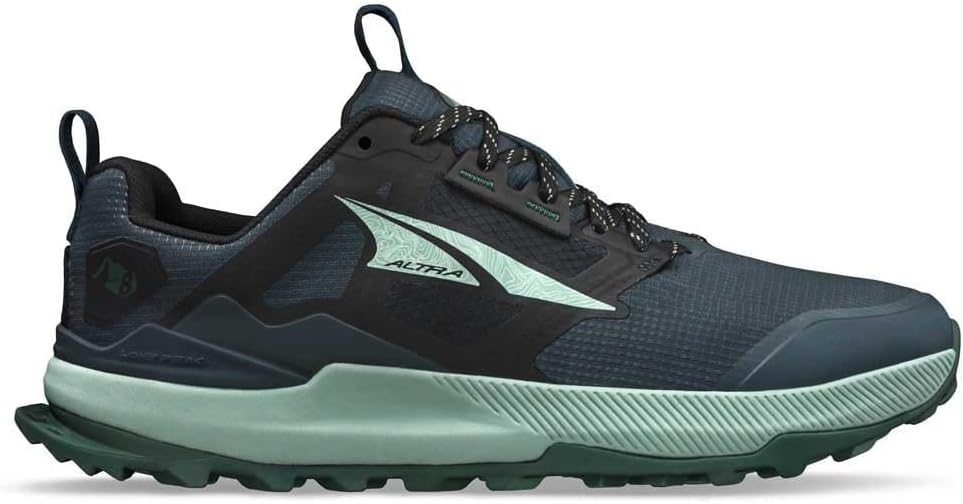
This shoe fits runners who want a flat platform and extra space for their toes to spread out.
The zero-drop design keeps your heel and forefoot at the exact same distance from the ground. This helps your feet move naturally and improves your balance on uneven ground.
Customers constantly praise the wide toe box and how comfortable the shoes feel right out of the box. Many buyers with foot pain say these help immensely. However, people with narrow feet report that their heels slip out of the back, making the shoe feel loose.
These work best on long, rolling trails where you need to feel the ground and let your feet swell naturally over miles.
The natural foot shape makes these stand out. I like how they give your toes room to do their job for balance. I would not pick these if you have narrow heels, as the loose fit might cause blisters.
✅ Pros
- Gives toes plenty of room to spread naturally
- Flat design improves balance on trails
- Thick cushion protects against sharp rocks
❌ Cons
- Heel slips easily on narrow feet
- Flat footbed takes time to get used to
💬 What Customers Say
Across hundreds of reviews, the thing people mention most is the roomy toe box. Buyers with foot issues love the flat, natural design. The main complaint comes from people with narrow feet who struggle to keep their heels locked in place during fast walks or runs.
#3 Best for Joint Comfort — Brooks Ghost Trail

This shoe suits runners who want a soft, cushioned ride for light trails and gravel paths.
The thick foam midsole acts like a shock absorber. It takes the heavy beating off your knees and ankles when you run down steep hills.
Buyers love how soft and bouncy the shoes feel. Older runners note that their knees feel much better the day after a long run. A few users mentioned that the shoes caused calf pain during the first few runs, so they require a short break-in period.
These are perfect for dry, rocky paths and packed dirt where you need cushion more than aggressive grip.
The cushioning is easily the star here. If you have older joints or run on very hard packed dirt, that soft foam makes a big difference. I would skip these for deep mud, but they are fantastic for everyday trail miles.
✅ Pros
- Soft foam protects knees and joints
- Lightweight design feels fast on feet
- Breathable top keeps feet cool
❌ Cons
- Requires a break-in period for the foam
- Factory insoles feel flat to some runners
💬 What Customers Say
Runners who use these daily report that the soft foam saves their knees from aching. Many buyers love how light they feel compared to other trail shoes. A few users warn that the shoes might make your calves sore during the first few runs until they break in.
#4 Best for Rugged Terrain — Brooks Cascadia 19

This shoe is for trail runners who tackle steep mountains, loose rocks, and technical trails.
The built-in rock shield sits inside the sole. It stops sharp rocks and roots from bruising the bottom of your feet when you land hard.
Customers rave about the aggressive grip and how stable the shoes feel on loose rocks. Many buyers trust them for long races in the desert or mountains. The most common complaint is that the shoelaces are too short, especially for people with high arches. Some also say they run a half size small.
Take these out when the trail gets ugly. They handle wet rocks, steep climbs, and unpredictable surfaces with ease.
I really like the rock shield in these. Running on sharp gravel usually hurts after a few miles, but these block that pain completely. The short laces are annoying, but that is an easy fix. I strongly suggest ordering a half size up.
✅ Pros
- Built-in shield blocks sharp rocks
- Deep rubber lugs grip wet surfaces well
- Very stable on uneven and loose ground
❌ Cons
- Shoelaces are too short
- Runs a half size small
💬 What Customers Say
Buyers consistently praise the deep tread, noting that it grips wet rocks and ice very well. Many people mention feeling secure and stable on loose ground. The biggest complaints are that the shoes fit a bit small and the laces barely tie if you have high insteps.
#5 Best Hybrid Shoe — Merrell Speed Strike 2

This shoe fits people who split their time between hiking, working outdoors, and light trail running.
The sticky rubber outsole grabs onto surfaces tightly. This keeps you from slipping when you step on wet logs or smooth rocks.
Buyers love how light they feel compared to traditional hiking boots. Delivery drivers and warehouse workers praise their all-day comfort. One strange but repeated complaint is that the footbed feels uneven on the left side, making some buyers feel like their foot is sliding off the edge.
These shine when you need one shoe for a morning trail run and an afternoon hike.
The versatility is what makes these great. They feel lighter than a boot but tougher than a normal running shoe. The reports of the uneven footbed give me a little pause, so I would test the fit indoors before taking them on a long run.
✅ Pros
- Grips smooth and wet surfaces tightly
- Feels very light on the foot
- Tough toe cap stops painful stubs
❌ Cons
- Left footbed feels uneven to some buyers
- Not water-resistant
💬 What Customers Say
Most buyers agree that these offer a perfect middle ground between a heavy hiking boot and a running shoe. People love the traction on slick surfaces. However, a few buyers noted a weird fit issue where their foot felt like it was sliding off the edge of the sole.
Frequently Asked Questions
Do I really need specific shoes for trail running?
Should I buy my trail shoes a size larger?
What is a rock shield?
Can I wear trail running shoes on the pavement?
Does a higher price mean a better trail shoe?
Conclusion
The Brooks Cascadia 19 takes the top spot for serious trail runners. Its deep grip and built-in rock shield give you the confidence to tackle harsh mountain trails without beating up your feet.
If you stick to flatter paths or just want a softer ride, the Brooks Ghost Trail is a fantastic alternative. It offers incredible cushion that saves your knees on hard dirt. Pick the shoe that matches your local trails, and enjoy the run.